
Warmer floors in winter
The batts trap still air between the joists, slowing heat loss from the floor surface. This raises the floor temperature by several degrees and makes rooms feel more comfortable at lower thermostat settings.
Suspended Floor Specialists
Underfloor insulation in Box Hill North stops cold floors and draughts coming up through timber floorboards. We install bulk batts between joists in the subfloor to improve thermal resistance and comfort in older homes.
Share your details and Expert Insulation Melbourne will contact you about Underfloor Insulation in Box Hill North.
Underfloor insulation is installed between the floor joists from the subfloor space under suspended timber floors. In Box Hill North many postwar brick and weatherboard homes have exposed subfloors that let cold air rise through gaps in the floorboards. Fitting glasswool, polyester or rockwool batts in this space adds an R1. 5 to R2.
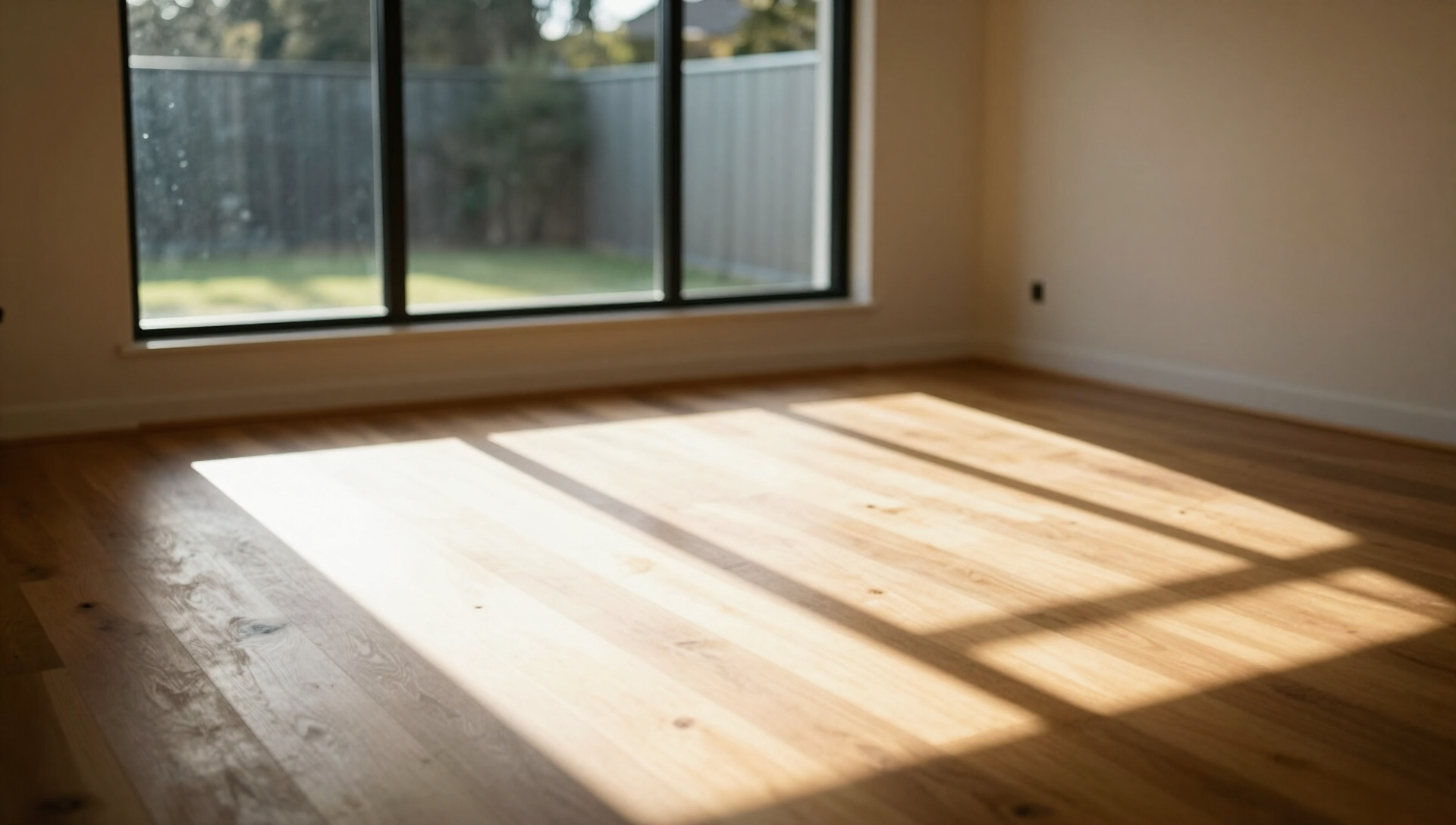
Melbourne’s cold winters make uninsulated timber floors uncomfortable and expensive to heat. In Box Hill North, many homes were built with little or no insulation under the floor, so cold air rises through gaps and joins the living space. Underfloor batts block this airflow and improve thermal performance without changing the look of your home.
The batts trap still air between the joists, slowing heat loss from the floor surface. This raises the floor temperature by several degrees and makes rooms feel more comfortable at lower thermostat settings.
Gaps between floorboards and around skirting let cold air enter. Underfloor insulation acts as a barrier, cutting these draughts and stopping the chill that often affects feet and lower legs.
By reducing heat loss through the floor, your heater runs less often to maintain the same room temperature. This can trim winter energy bills, especially in older homes with poor overall insulation.
Cold floors make a room feel colder than the air temperature suggests. Insulating under the floor evens out the temperature, so you can walk barefoot without the shock of a cold surface.
Installation is done from the subfloor via the crawl space, so there is no need to lift floorboards or move furniture. Access is usually through a small hatch or from outside if the subfloor is open.
Quality batts retain their thickness and R-value for decades if kept dry. In Box Hill North’s climate, ensuring good subfloor ventilation prevents moisture buildup that can compress or damage the insulation.
A typical underfloor insulation job in Box Hill North takes half a day to a full day, depending on access and the size of the subfloor. We work from the crawl space, so the only requirement is safe entry and enough height to move along the joists.
We start by checking the subfloor for safe access, sufficient height and any obstacles like pipes or wiring. We also look for signs of moisture, damp or pest damage that need addressing before installation.
Batts are measured to fit snugly between the joists without gaps. We use the correct width for the joist spacing and cut around any services. The batts are friction-fit, so no staples or adhesives are needed.
Working from one end of the subfloor to the other, we lay the batts horizontally between the joists. Each batt is butted up to the next to eliminate gaps that would let cold air through.
After installation, we check for any remaining gaps around edges or services and seal them with foil tape or offcuts. We then remove all waste and leave the subfloor clean and tidy.
Box Hill North has a mix of postwar brick and weatherboard homes, many with suspended timber floors that sit above a ventilated subfloor. Without insulation, these floors let cold air rise into living spaces, making rooms feel chilly even when the heater is on. Underfloor batts are a straightforward upgrade that improves comfort and reduces heating costs without altering the home’s structure.
Stop cold floors and draughts with underfloor insulation installed under suspended timber floors in Box Hill North.
Homeowners in Box Hill North often ask how underfloor insulation works, what it costs and whether it is worth it for older homes. Here are the key details.
Expert Insulation Melbourne installs underfloor insulation in Box Hill North to stop cold floors and draughts in homes with suspended timber floors. The batts are fitted between the floor joists from the subfloor, adding an R1.5 to R2.5 thermal barrier that improves winter comfort and reduces heating costs. This is a common need in Box Hill North’s postwar brick and weatherboard homes, where uninsulated subfloors let cold air rise through gaps in the floorboards.
Underfloor insulation works by trapping still air within the batts, which slows the transfer of heat through the floor. In Melbourne’s climate, this means warmer floors in winter and less strain on heating systems. The installation is done from the crawl space, so there is no need to lift floorboards or disrupt the home. Access requirements include a safe entry point and enough height to move along the joists, which most Box Hill North homes provide.
Choosing the right R-value depends on the subfloor depth and budget, with R1.5 to R2.5 typical for underfloor applications. Glasswool, polyester and rockwool batts are all effective, with polyester often preferred for its moisture resistance in damp subfloors. Costs vary with the floor area, access difficulty and whether old insulation needs removal. A professional inspection will confirm suitability and identify any issues like moisture or pest damage that must be fixed first.
Stop cold floors and draughts with underfloor insulation installed by Expert Insulation Melbourne. We service Box Hill North and can inspect your subfloor to recommend the best solution.